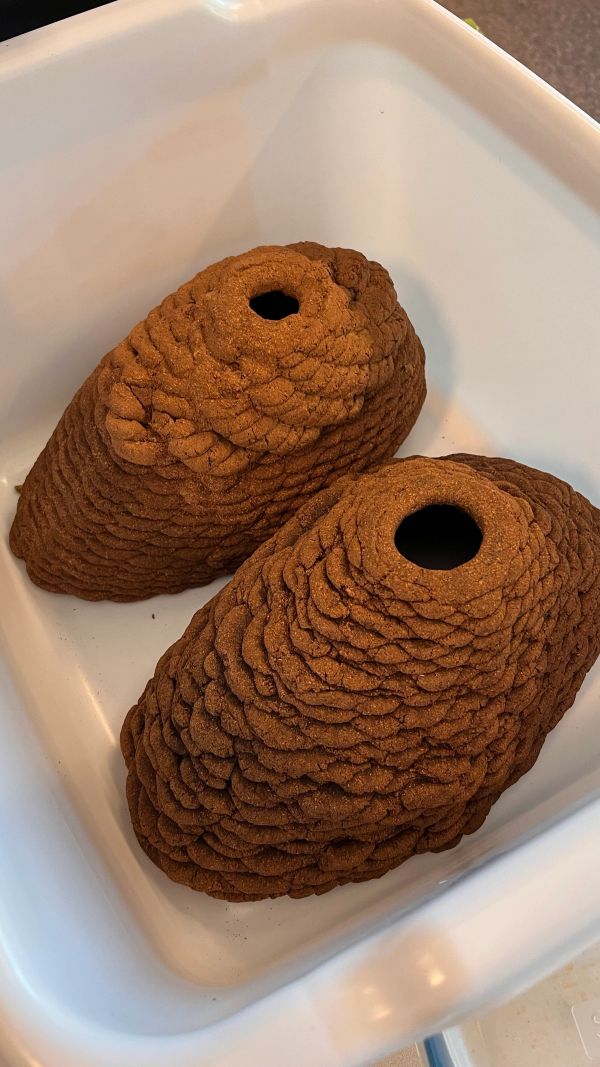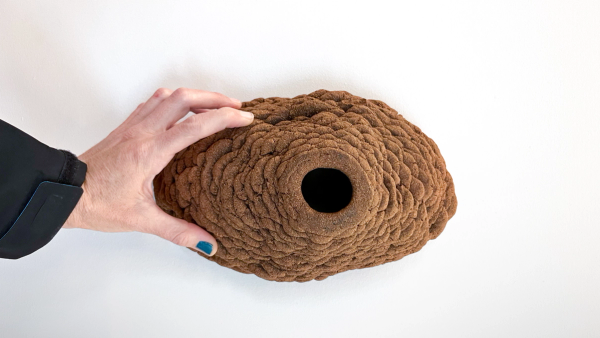
For the Experimental Postdoctoral Fellowship at Harvard Graduate School of Design, Noam Attias is conducting research on new approaches to bio-fabrication with fungi.
The Experimental Postdoctoral Fellowship at Harvard Graduate School of Design supports practice-oriented researchers working with the GSD’s Laboratory for Design Technologies (LDT), in a year-long Fellowship with a thematic focus on health, wellness, and sustainable material systems for buildings, landscapes, and cities. The collaboration connects academic research with practical application, particularly with regard to the use of regenerative materials and innovative construction methods for real-world implementation.
Attias’s research investigates fungi as a bio-based selective property-modifying instrument, whose decomposition mechanisms enable natural properties modification processing of wood. Through field work at the Arnold Arboretum, scanning trees and fungi, mapping bird ecosystems, and processing material samples, Attias aims to produce a chickadee nest box as a use case to test and demonstrate potential utilization of selective fungi-modified wood in design.
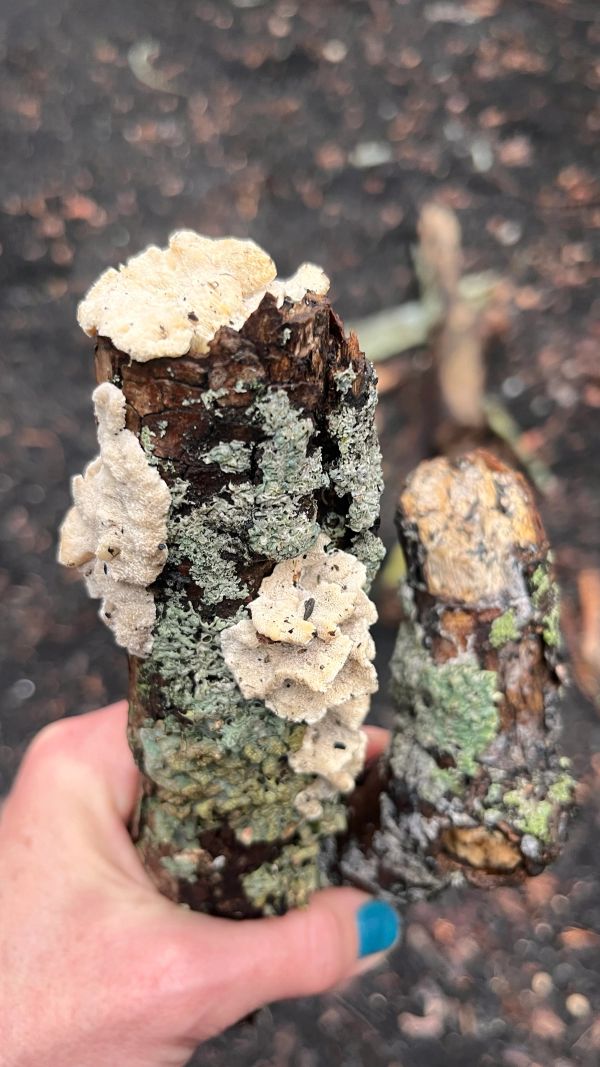
Field work at the Arnold Arboretum of Harvard University, photos in this series courtesy of Noam Attias
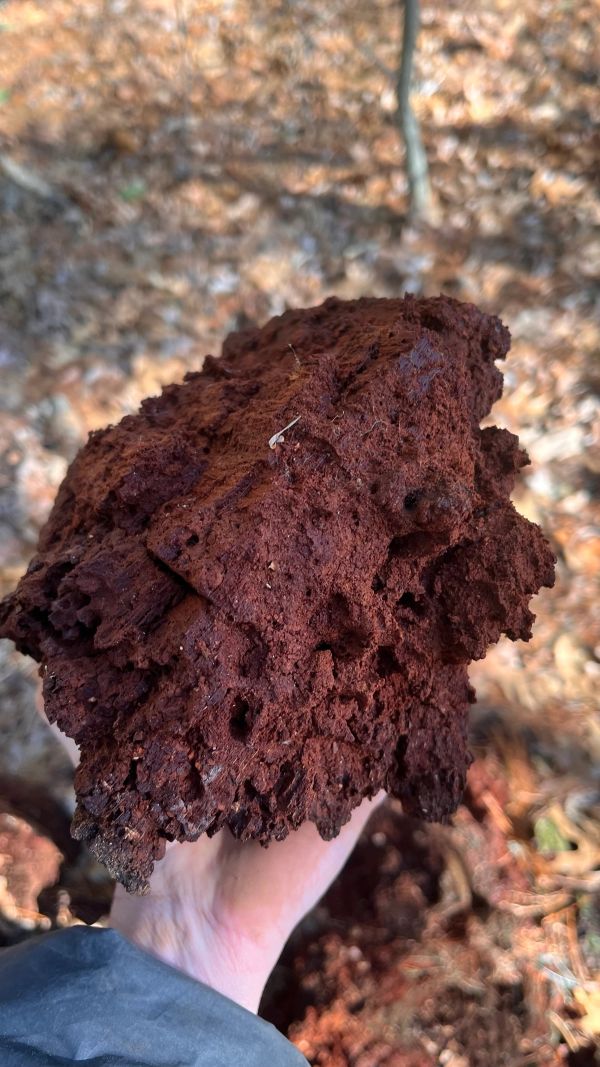
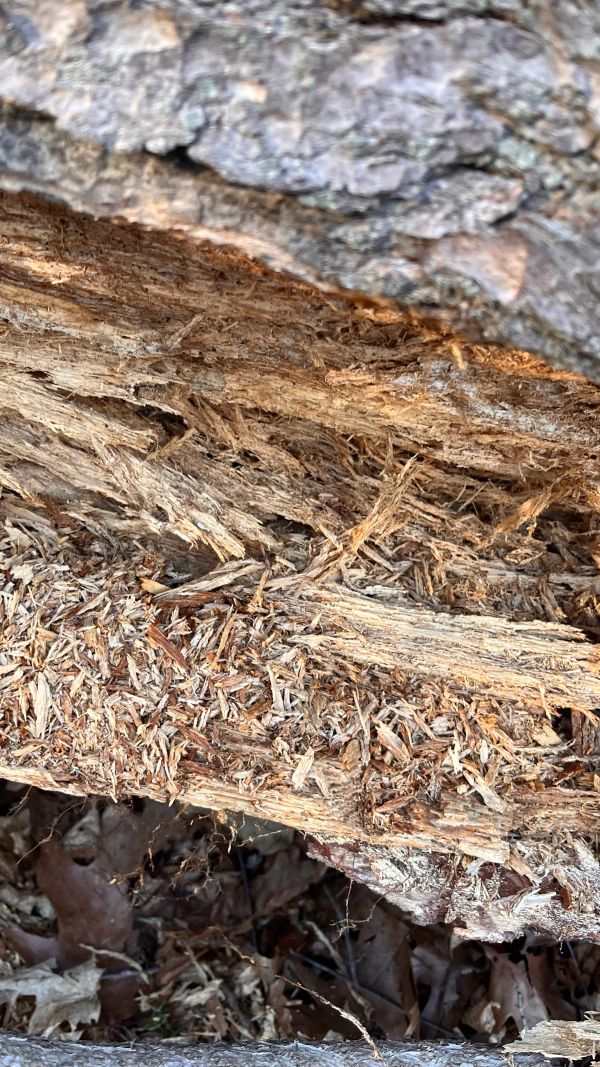
The project seeks to map decaying logs at the Arboretum and trace its fungi-specie inhabitants’ composition and its effect on wood-chip properties. This data will be shared with local and global sustainability, biodiversity and mycology species and data collection efforts.
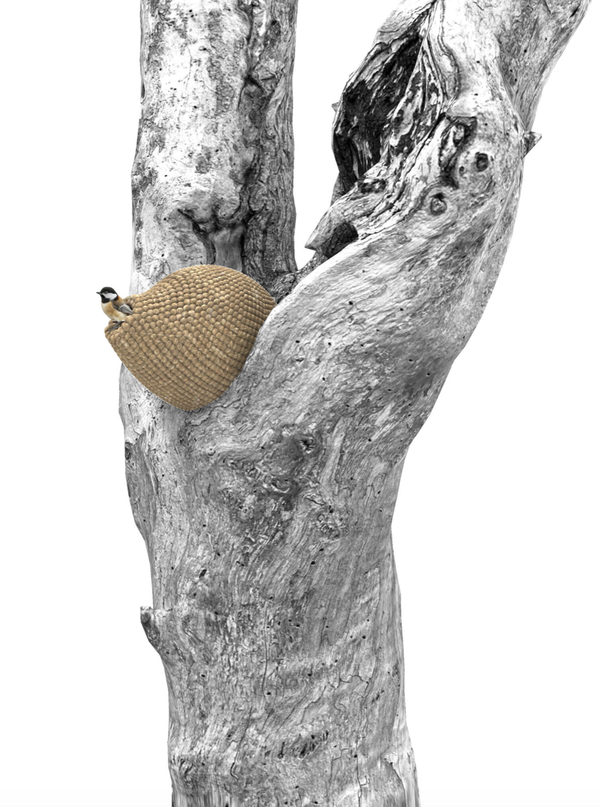
Chickadee nest box, visualizations courtesy of Noam Attias
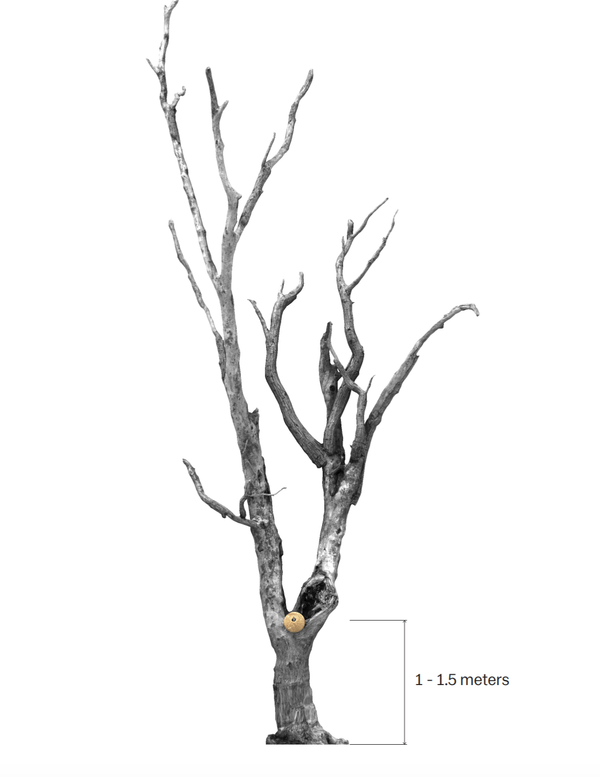
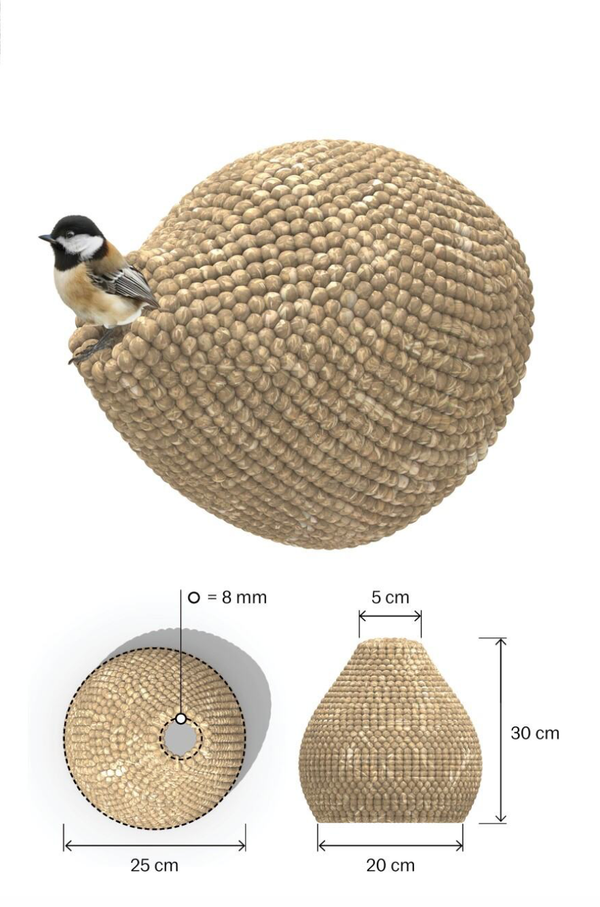
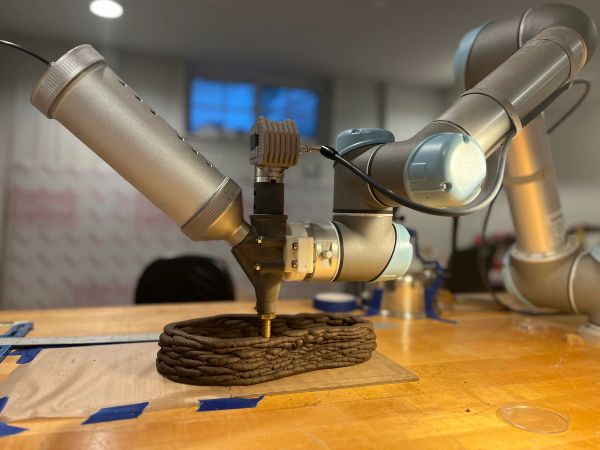
Nest box trials, images courtesy of Noam Attias