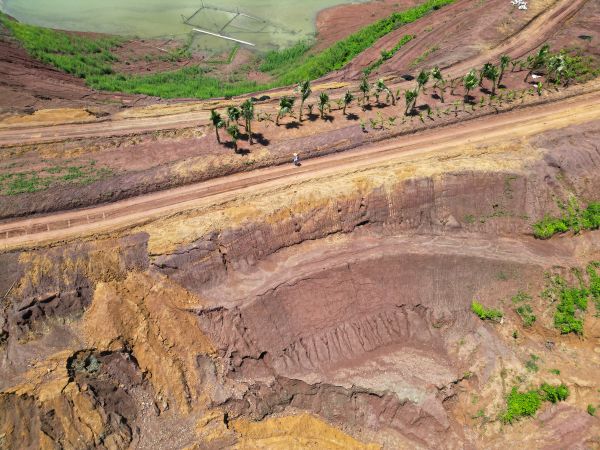
Addressing growing environmental concerns, Situated Regionalism explores the potential of unfired brick construction across Vietnam’s seven ecological zones—from upland forests to coastal wetlands. The project responds to the country’s diverse geology and Indigenous building traditions, while confronting the environmental challenges posed by colonial-era infrastructure, war-related contamination, and rapid industrialization. Architects and researchers Ha Nguyen of arb architects, Vietnam, and Hojung Kim, US-based professor, combine fieldwork, prototyping, and digital research to advance regenerative earthen construction rooted in local knowledge and ecological sensitivity.
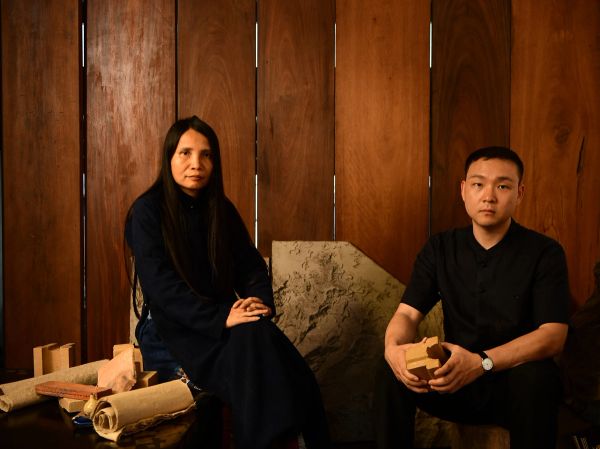
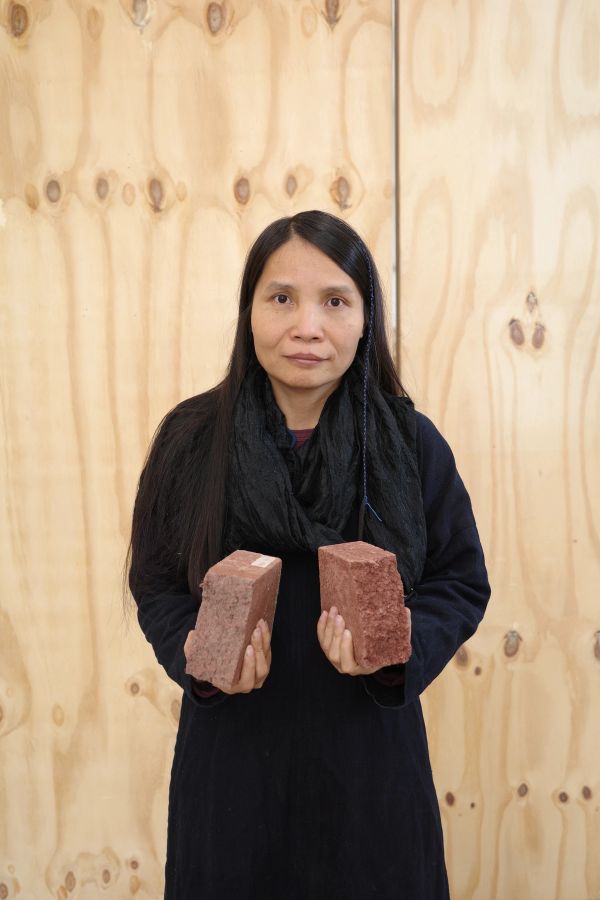
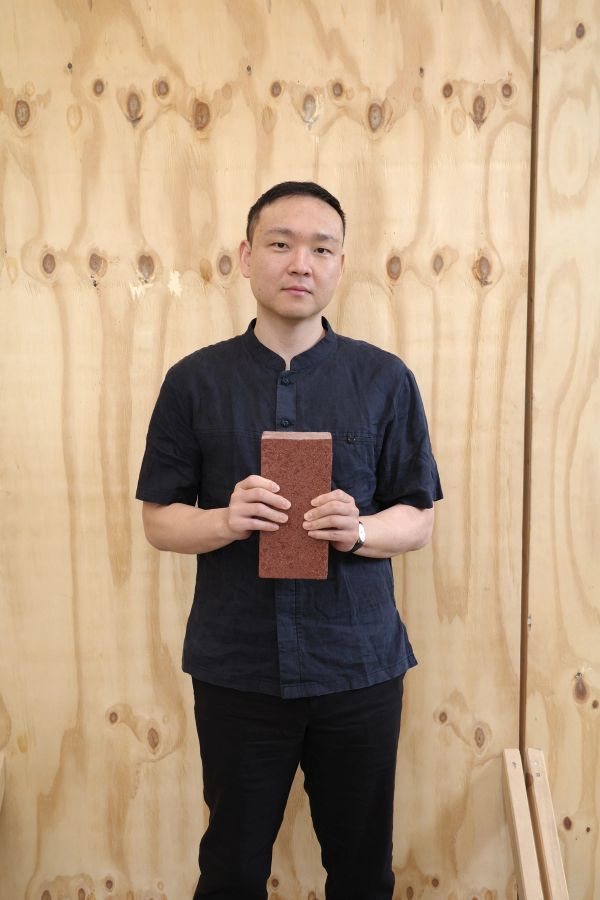
Ha Nguyen and Hojung Kim, photo by Le Lai
The hybrid methodology in Situated Regionalism reactivates vernacular techniques grounded in Indigenous knowledge, ecological resilience, and transdisciplinary design. In the Cao Phong region, they will investigate ferralitic soils, local fibers, and Mường traditions through the creation of a full-scale prototype. Parallel to this, they will produce a digitally accessible Soil Atlas mapping systemically Vietnam’s seven ecological zones. This open resource will function as an educational and design tool—promoting ecologically grounded, culturally resilient building strategies while connecting Vietnam’s material expertise to global networks of earthen construction.
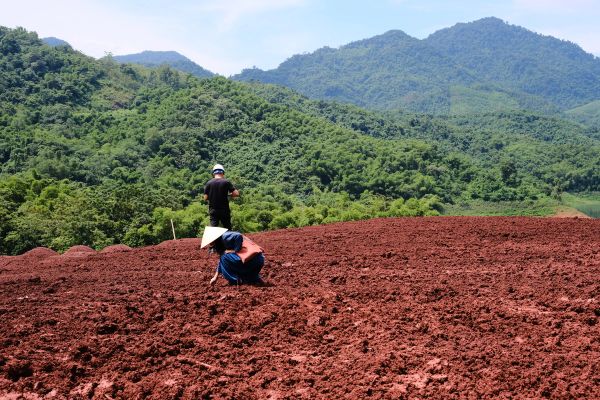
Exploring the site and its soil conditions through fieldwork, photo courtesy of MM Lab
By anchoring design innovation in site-specific knowledge, Situated Regionalism seeks to influence not only local building practices but also broader policy and industry conversations on sustainable construction. The project’s outputs—prototype structures, an accessible knowledge base, and collaborative engagement with craftspeople and communities—are designed for direct uptake in future building projects across Vietnam and beyond.
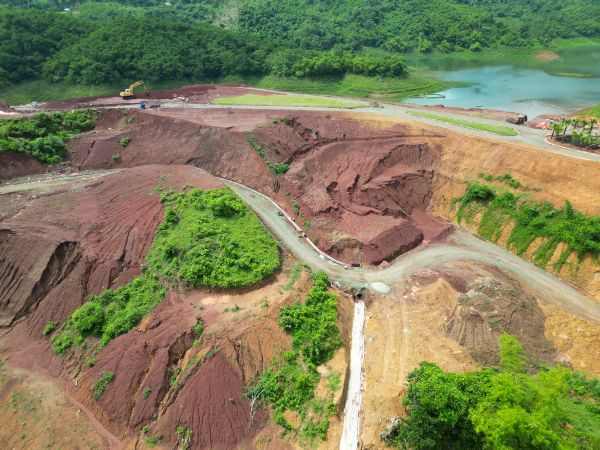
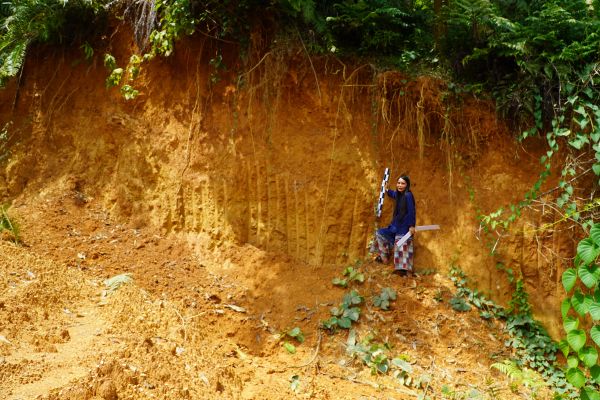
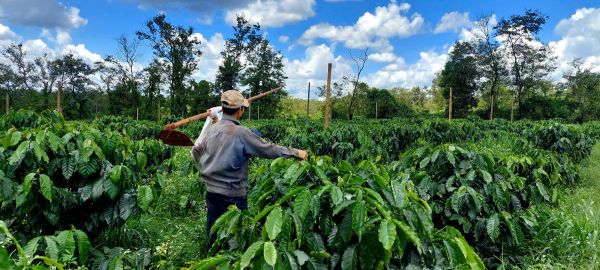
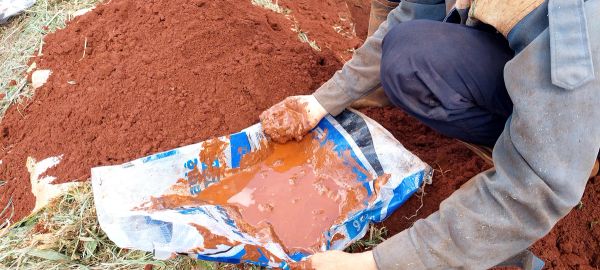
Soil sampling across selected sites in Vietnam, documenting geological and ecological conditions, photo series courtesy of MM Lab
Alongside the fellowship, Nguyen and Kim are recipients of the 2025–2026 Graham Foundation Award. Their project, Dichotomy of Heritage and Industrialization in Mang Thít’s Sustainable Development, focuses on Mang Thít, Vietnam. Documenting hydraulic and environmental impacts alongside cultural, historical, and socio-economic contexts in the present, it combines mapping with field research to examine how hydraulic changes affect alluvial soils and traditional occupations such as brick-making and agriculture, with an exhibition planned for 2026.
Ha Nguyen and Hojung Kim are co-founders of the Material Matters (MM) Research Lab, a platform for material experimentation and cross-cultural knowledge production. The Lab’s work in Vietnam integrates computational tools with local craft traditions to challenge architectural paradigms that have historically marginalized Indigenous practices. While arb Architects, co-founded by Nguyen, focuses on practice-based work, MM Lab provides the research foundation that supports and extends this practice.
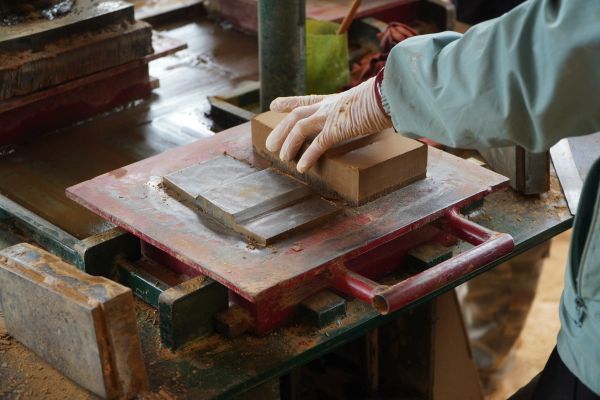
Producing unfired compressed earth bricks at the Chum Liquor Yeast Workshop and Residence, Yên Sơn, Tuyên Quang, Vietnam, photo courtesy of MM Lab
Situated Regionalism approaches the site through three interconnected layers: physical, socio-cultural, and ecological. The physical layer examines soil composition, properties, and its potential transformation into unfired earth blocks. The socio-cultural layer connects this material research to vernacular construction techniques, local craft knowledge, and Mường building traditions. The ecological layer places these investigations within wider systems of geology, vegetation, agriculture, hydrology, and landscape transformation. Together, these perspectives allow the project to move beyond a technical material study, connecting soil performance with cultural knowledge and regenerative practices.
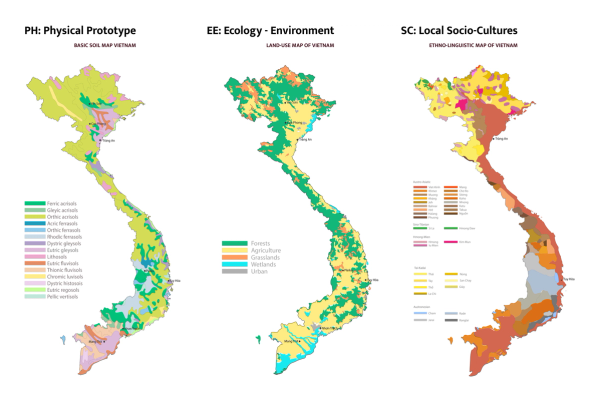
Mapping Vietnam through the three layers of Situated Regionalism, photo courtesy of MM Lab
During the research phase, the Fellows travelled across Vietnam to collect soil samples from seven sites located between approximately 21° and 10° latitude: Yen Son, Cao Phong, Trang An, Pleiku, Tuy Hoa, Nhon Trach, and Mang Thit. The sites represent a broad range of geological and ecological conditions and were selected for their proximity to culturally significant regions, and their potential for future pilot applications. Field testing included sedimentation and pH analysis, shrinkage and cohesion tests, and colour classification using the Munsell Soil Color Chart.
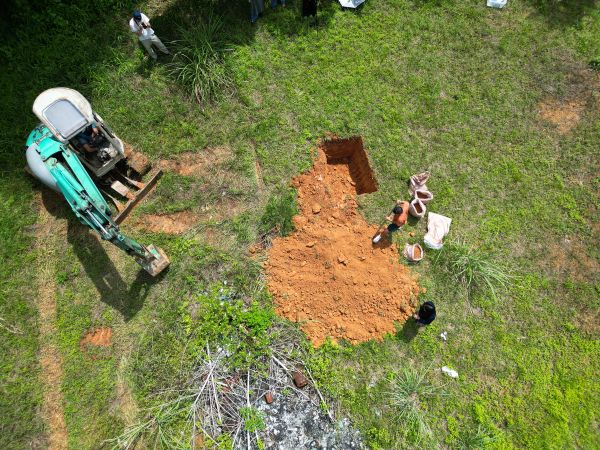
Field testing soil samples through sedimentation, pH, shrinkage, cohesion, and colour analysis, photo courtesy of MM Lab
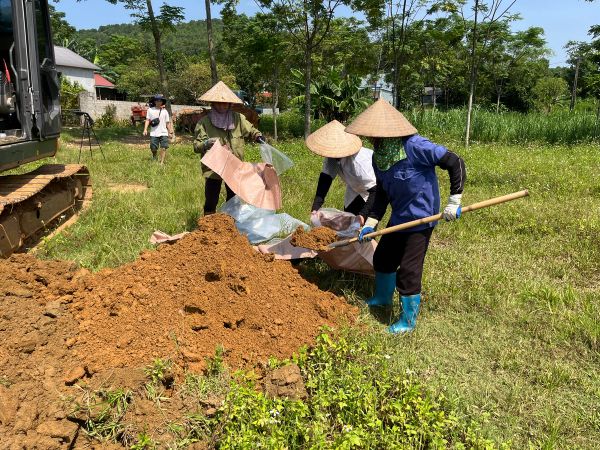
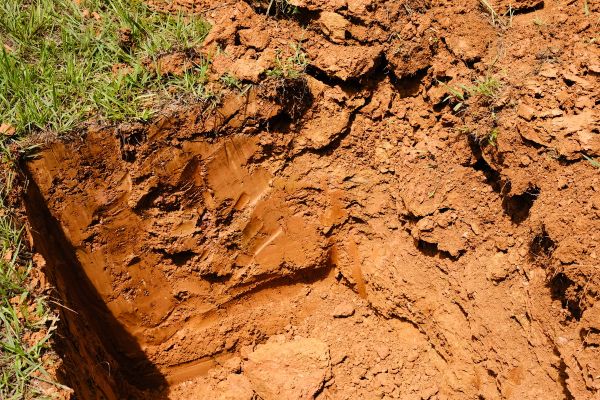
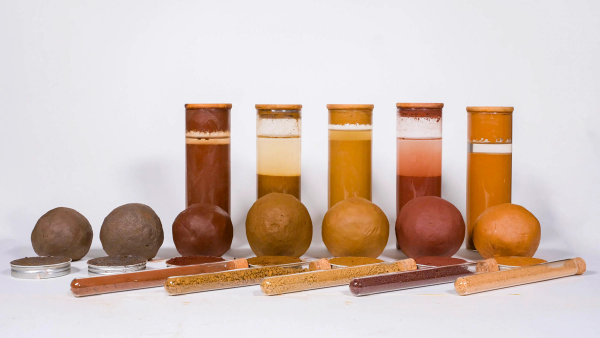
Preliminary testing showed significant variations in clay content across the different soils, providing a basis for further laboratory analysis and the development of compressed earth blocks. The findings also began to form a material and data foundation, which will connect geological profiles with locally available fibres, bio-based stabilizers, and material performance. This first phase established a comparative methodology for understanding how regional soil conditions can inform regenerative construction practices across Vietnam.
Following their research across Vietnam, the Fellows brought selected soil samples and their first compressed earth blocks to Berlin, allowing tests carried out locally in Vietnam to be compared with testing methods at the Bauhaus Earth and ZRS workshops. While the project’s ecological and socio-cultural research remained firmly situated in Vietnam, this exchange created an opportunity to test how its physical methodology could be transferred into different technical and regulatory contexts.
During a research stay in Berlin and Basel, the Fellows met with engineers, researchers, and practitioners working with earth and low-carbon construction. The exchange identified a central challenge: the lack of comprehensive testing standards for compressed earth blocks in tropical climates, leading the team to compare existing international testing procedures.
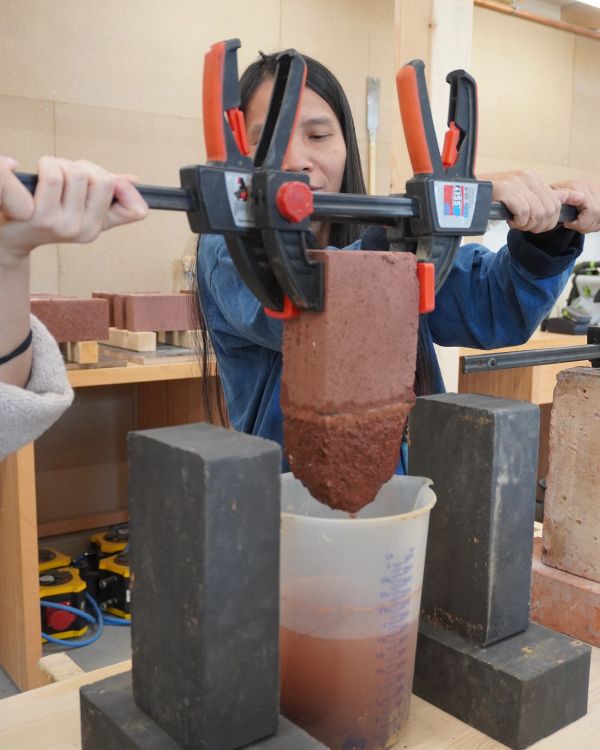
Testing soil, fibre, and bio-based additive mixtures at the Bauhaus Earth workshop, photo courtesy of Experimental Foundation
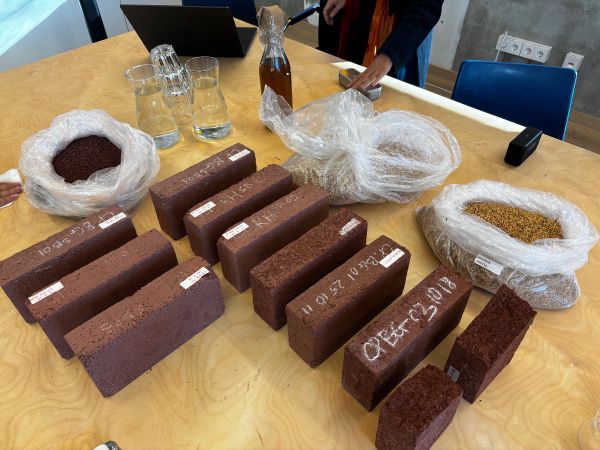
A systematic series of material tests explored different combinations and proportions of locally available natural fibres and bio-based additives, including sugarcane bagasse, rice husk, pineapple leaf fibres, and tung oil. The resulting mixtures were evaluated for compressive and flexural strength, water absorption, immersion resistance, suction, and spray erosion. Among the tested compositions, the most promising mixture combined sugarcane bagasse and pineapple leaf fibres with tung oil. It achieved a compressive strength of 5.1 MPa and a flexural strength of 0.6 MPa, while showing no mass loss in the specified immersion test, strong resistance to water suction, and only limited erosion under spray testing. Rather than defining a universal material recipe, these experiments established a comparative method for adapting compressed earth blocks to specific soils, locally available resources, climatic conditions, and performance requirements.
Situated Regionalism translates its research into three interconnected outcomes: a tested earthen material system, full-scale architectural prototypes, and the Vietnam Soil Atlas. Material testing resulted in a standard 19 × 9 × 5 cm compressed earth block recipe alongside customized blocks and earthen plaster mixtures. These components were further developed into a hybrid wall system combining compressed earth blocks with structural support, bracing, and ventilation openings. Together, these material developments provide a basis for translating the research into architectural applications.
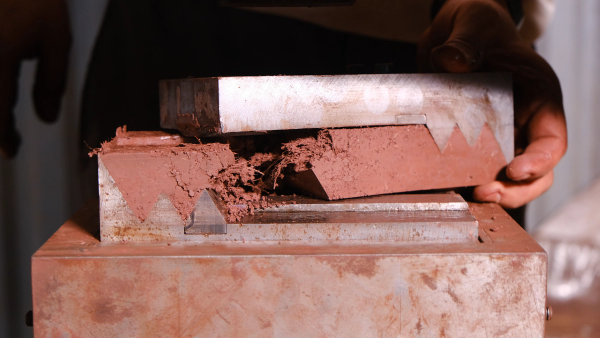
From standard CEB to a customized CEB system and multilayer façade prototype, photo courtesy of MM Lab
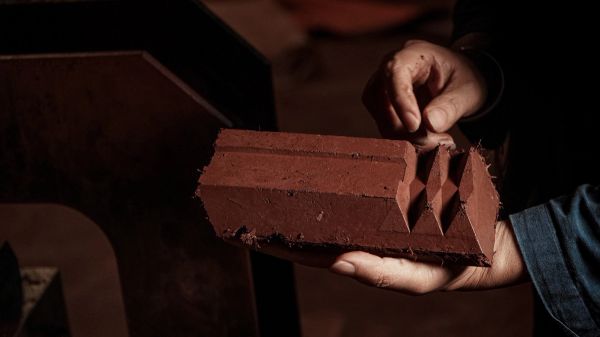
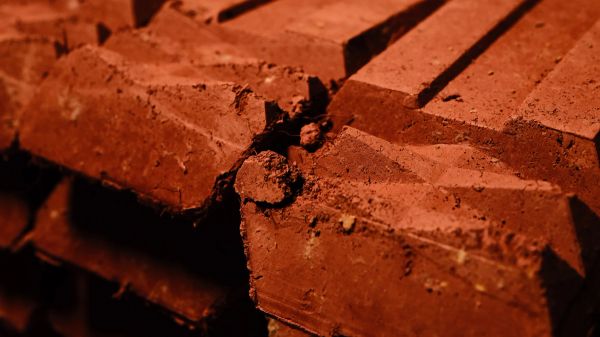
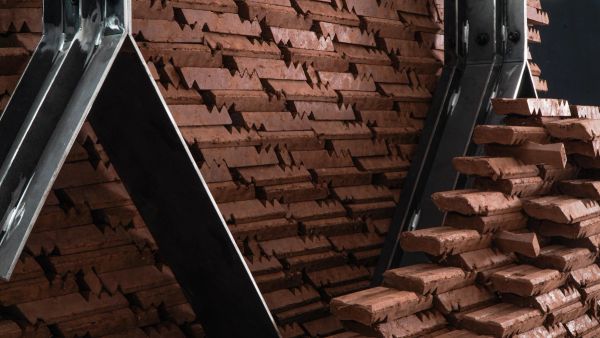
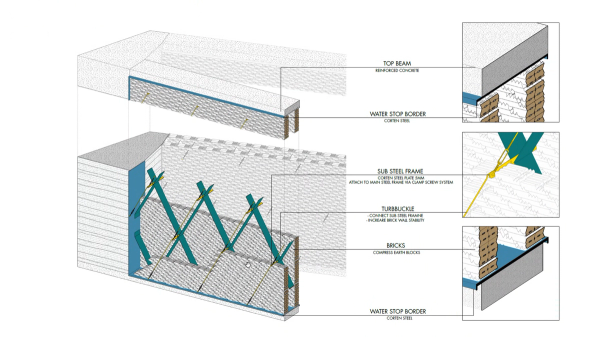
The research contributes to architectural applications and to a broader discussion of traditional Vietnamese building knowledge and practices, linking experimental material research with contemporary design practice. As a full-scale application of the developed system, a final 1:1 demonstrator brings these findings together as an architectural facade fragment. From October 2026, the demonstrator will be monitored outdoors in Berlin to study its weathering performance.
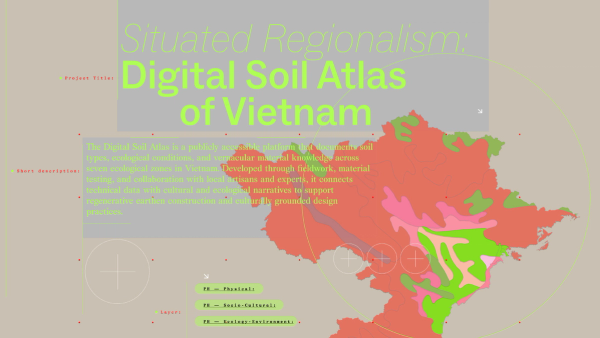
The Vietnam Soil Atlas, an open-access resource for sharing knowledge on soils, materials, and construction techniques, website design by Studio Patric Dreier
Extending the physical and architectural outcomes, the Vietnam Soil Atlas extends the research into an open-access platform. Based on fieldwork, material testing, and exchanges with local craftspeople and experts, it documents soil types, ecological conditions, vernacular material knowledge, and construction potential across Vietnam’s seven ecological zones. Together, the material system, demonstrator, and Soil Atlas establish a comparative methodology for incorporating situated knowledge into earthen construction. Beyond the fellowship, the project is intended to continue as an evolving research framework that can inform future building projects in Vietnam while offering methods that can be adapted to other regional contexts.